- 站內(nèi)搜索
- 站外搜索
熱門關(guān)鍵詞: 小學(xué)四年級(jí)語(yǔ)文 三角形 三角形 八年級(jí)歷史 搖籃曲 端午節(jié)的由來(lái)

熱門關(guān)鍵詞: 小學(xué)四年級(jí)語(yǔ)文 三角形 三角形 八年級(jí)歷史 搖籃曲 端午節(jié)的由來(lái)
聯(lián)系本站客服加+微信號(hào)15139388181 或QQ:983228566 |
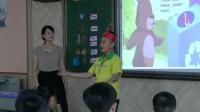
視頻標(biāo)簽:big bed
所屬欄目:小學(xué)英語(yǔ)優(yōu)質(zhì)課視頻
視頻課題:PEP五年級(jí)英語(yǔ)上冊(cè)Unit 5 There is a big bed Part C Story Time江西省 - 南昌
本視頻配套資料的教學(xué)設(shè)計(jì)、課件 /課堂實(shí)錄及教案下載可聯(lián)本站系客服
PEP五年級(jí)英語(yǔ)上冊(cè)Unit 5 There is a big bed Part C Story Time江西省 - 南昌
教學(xué)設(shè)計(jì)
教學(xué)設(shè)計(jì)基本信息
所用教材 人教版PEP小學(xué)英語(yǔ)(三年級(jí)起點(diǎn))
所教年級(jí) 五年級(jí) 冊(cè)次、單元
上冊(cè)第五單元
設(shè)計(jì)主題
Unit5 There is a big bed C Story time
1.整體設(shè)計(jì)思路、指導(dǎo)依據(jù)說(shuō)明
《義務(wù)教育英語(yǔ)課程標(biāo)準(zhǔn)(2011年版)》把激發(fā)學(xué)生學(xué)習(xí)英語(yǔ)的興趣放在重要位置,強(qiáng)調(diào)要培養(yǎng)學(xué)生學(xué)習(xí)英語(yǔ)的積極態(tài)度,使他們初步建立學(xué)習(xí)英語(yǔ)的自信心,使他們初步具備用英語(yǔ)進(jìn)行簡(jiǎn)單日常交流的能力,作為教師要給學(xué)生創(chuàng)設(shè)條件,讓學(xué)生自己在觀察、體驗(yàn)和運(yùn)用語(yǔ)言的過(guò)程中,既學(xué)習(xí)語(yǔ)言知識(shí),有培養(yǎng)語(yǔ)言技能。
結(jié)合本課的故事教學(xué),我以學(xué)生為主體,體現(xiàn)“整體呈現(xiàn),分步訓(xùn)練”的故事教學(xué)要求,設(shè)計(jì)了一系列層層遞進(jìn)的活動(dòng),通過(guò)重點(diǎn)詞句聽(tīng)說(shuō)問(wèn)答、部分故事分段表演、整體故事分組展示等活動(dòng),讓學(xué)生在學(xué)習(xí)中樂(lè)于參與、積極合作,,初步形成對(duì)英語(yǔ)的感知能力和良好的學(xué)習(xí)習(xí)慣。
2.教學(xué)背景分析
教學(xué)內(nèi)容分析:
本節(jié)課是五年級(jí)上冊(cè)第五單元story time故事教學(xué)。 該故事講了一個(gè)易拉罐被丟在河邊想回家,經(jīng)請(qǐng)求小鳥(niǎo)、小熊,小猴子、小兔子后無(wú)人幫他回家,小熊反而把他踢入河中,兩條魚(yú)幫忙把他傳給了岸上的Zoom和Zip,Zoom接到后把他放入垃圾桶中,易拉罐最終回家的故事。通過(guò)該故事的學(xué)習(xí)讓學(xué)生能從整體上理解故事情節(jié),根據(jù)角色表演出故事。能讓學(xué)生知道幫助人并學(xué)會(huì)垃圾分類,養(yǎng)成保護(hù)環(huán)境的好習(xí)慣。
學(xué)生情況分析:
五年級(jí)的學(xué)生已經(jīng)學(xué)習(xí)了兩年英語(yǔ),能用英語(yǔ)進(jìn)行簡(jiǎn)單的交際。學(xué)生學(xué)習(xí)語(yǔ)言的興趣濃厚,樂(lè)于模仿,積極嘗試。因此,在教學(xué)中,教師要引導(dǎo)學(xué)生體會(huì)故事的情感,積極思維,結(jié)合生活經(jīng)驗(yàn),調(diào)動(dòng)已有知識(shí)進(jìn)行表達(dá),培養(yǎng)學(xué)生綜合運(yùn)用語(yǔ)言的能力。
3.教學(xué)目標(biāo)分析
1.知識(shí)目標(biāo):(1)能夠通過(guò)上下文理解over, busy, naughty, poor, catch, kick等單詞的意思。 (2)能夠在圖片的幫助下理解故事的內(nèi)容,復(fù)習(xí)本單元重點(diǎn)語(yǔ)言。 (3)能夠在教師的幫助下朗讀并表演故事。 (4)能根據(jù)信息提示簡(jiǎn)單復(fù)述故事。 2.能力目標(biāo):能理解并表演故事;能夠根據(jù)關(guān)鍵信息復(fù)述故事。 3.情感目標(biāo):學(xué)生學(xué)會(huì)垃圾分類,增強(qiáng)環(huán)保意識(shí)。
2
4.教學(xué)重點(diǎn)、難點(diǎn)分析
教學(xué)重點(diǎn):理解over, busy, naughty, poor, catch, kick等單詞的意思;學(xué)生能理解并朗讀事故。 教學(xué)難點(diǎn):學(xué)生能表演并復(fù)述故事。
5.教學(xué)過(guò)程設(shè)計(jì)
Step one: Warm up& Lead-in 1.Greetings:
2.Sing a song “ Yes, I can”
3.Present the different meaning of the word “can”
(1)modal verb,be able to do sth or used to ask sb to do sth. (2)noun, a metal container
【設(shè)計(jì)意圖】歌曲不僅活躍課堂氣氛,而且引出單詞“can”,并呈現(xiàn)can的不同意思,巧妙引出本故事的主人翁can Step two: Presentation
1. Find and say:Where is a can? (1)T: Where is the can? S1: It’s under the tree. S2: It’s on the grass. ....
(2)T: How does the can feel?
S: He is sad. (用語(yǔ)音教學(xué)法教授單詞sad) 2.Listen and answer
Q: Why is he sad? ( listen to Picture1) 3.Watch and answer Q: Where is his home?
【設(shè)計(jì)意圖】整體感知故事內(nèi)容,尋找關(guān)鍵信息。 4.Look and say
T: Do you want to know more about can’s story? Read the story by yourselves and find the main characters.
T: Who are the main characters?
Ss: The can, bird, bear, rabbit, monkey, two fish, and Zoom. T:Who can help the can? Who can’t help the can?Why?
【設(shè)計(jì)意圖】借助無(wú)文字圖片自己閱讀故事并尋找關(guān)鍵信息。 5.Learn the story picture by picture. (解析文本)
T: Why don’t they help the can? Let’s go into the story.
(1) T: Look! The can is sad and says... Does the bird help the can? Why? S: No, he doesn’t. Because she is busy.
T: Yes. The bird says: Sorry, I’m so busy.(聽(tīng)音模仿bird的語(yǔ)音語(yǔ)調(diào),并請(qǐng)生上臺(tái)表演) (2)T: Here comes a bear. What does he do?
S: The bear kicks the can. (通過(guò)動(dòng)作幫助學(xué)生理解kicks的意思)
3
T: He laughs loudly “Ha ha”. What’s he like? S: He is naughty. (3)Think and say
T: The can flies over the rabbit and monkey.Can they help the can?Why (4) Read and answer
T: Now please read picure4&picture5 and answer two questions. Q1: What do Mr Fish &Ms Fish do? Q2: How does Zoom help the can? Answers:
They give the can to Zoom.
Zoom catches the can and put it into the trash bin.
T: Now there is a proverb for you. “ East or west, home is best.” And what dose the sign mean?
S: Recyclable.
【設(shè)計(jì)意圖】通過(guò)一系列的活動(dòng)巧妙地呈現(xiàn)故事,激發(fā)了孩子們的興趣。通過(guò)易拉罐回到溫馨的家(垃圾桶),滲透環(huán)保知識(shí)。 Step three: Practice
1. Choose a title to the story
A. The happy can B. the sad can C. Can’s way home 2.Listen and imitate
【設(shè)計(jì)意圖】在準(zhǔn)確朗讀的基礎(chǔ)上開(kāi)展聽(tīng)音跟讀,通過(guò)帶動(dòng)作讀,有感情地讀,激發(fā)學(xué)生角色感。
3. Act out the story
【設(shè)計(jì)意圖】小組合作表演故事,每一個(gè)孩子都能親身體驗(yàn)并參與其中,培養(yǎng)學(xué)生創(chuàng)造性思維和口頭表達(dá)能力,讓學(xué)生在互助互學(xué)中共同進(jìn)步,樂(lè)于展示,感受英語(yǔ)故事學(xué)習(xí)的樂(lè)趣。
Step four: Consolidation&extension 1. Let’s write : Fill in the blanks
2. Let’s think: What does the story tell us? Help others to enjoy yourself.
Don’t throw the trash on the ground 3. Let’s classify the trash from ourselves.
T:We should classify the trash and protect our environment.There are four types trash bins--Recyclable, Other waste, kitchen waste, and harmful waste.Let’s enjoy a video about Recycling Rules. Then, Ss take out their trash bins and put the trash cards into the right trash bins.At last, let’s count how many trash have you helped go home.
【設(shè)計(jì)意圖】升華本課的教學(xué)內(nèi)容,讓孩子們學(xué)會(huì)垃圾分類,增強(qiáng)環(huán)保意識(shí)。
Step five: Homework
1. Tell the story to your parents or your friends.
2. Make a poster about the environmental protection. 【設(shè)計(jì)意圖】提高學(xué)生的語(yǔ)言能力及動(dòng)手能力!
視頻來(lái)源:優(yōu)質(zhì)課網(wǎng) www.m.fsyixinda.com

首頁(yè) | 網(wǎng)站地圖| 關(guān)于會(huì)員| 移動(dòng)設(shè)備| 購(gòu)買本站VIP會(huì)員

本站大部分資源來(lái)源于會(huì)員共享上傳,除本站組織的資源外,版權(quán)歸原作者所有,如有侵犯版權(quán),請(qǐng)和本站聯(lián)系并提供相關(guān)證據(jù),我們將在3個(gè)工作日內(nèi)改正。
Copyright© 2011-2021 優(yōu)質(zhì)課網(wǎng) 版權(quán)所有 by dedecms&zz 豫ICP備11000100號(hào)
工作時(shí)間: AM9:00-PM6:00 優(yōu)質(zhì)課網(wǎng)QQ客服:983228566 投稿信箱:983228566@qq.com